The industry of the present is going through a transition where efficiency, speed and flexibility are no longer options, they are required. The outdated infrastructure, which was expensive and difficult to upgrade can’t meet the growing demand for real-time analytics and distributed operations. ScalerPi provides a fresh approach through a combination of edge computing and practical engineering in order to offer solutions that truly can scale.
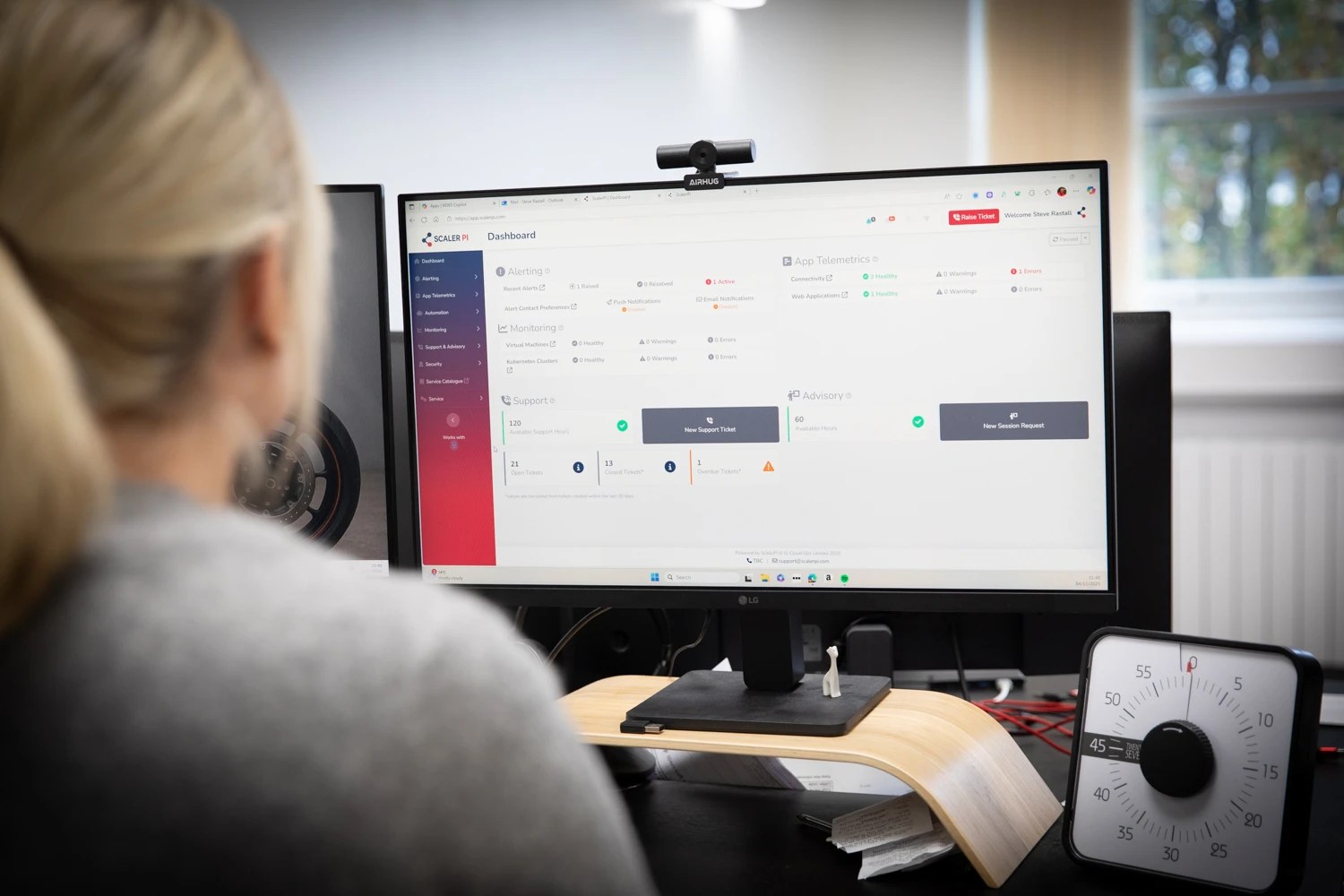
The Raspberry Pi is at the core of this revolution that allows organizations to think differently about designing and governing systems. Instead of being dependent on large, centralized hardware, businesses can now implement lightweight but robust devices that function directly where data is created. This helps reduce the amount of latency and gives teams the ability to react quickly to changes in the environment.
Data for Action at the Edge
Edge computing is an effective tool that lets data be processed locally. In many industrial settings it’s not feasible to sit and wait for cloud systems respond. ScalerPi solves this issue by offering infrastructure that can operate on its own, while being able of integrating with larger systems when needed.
An essential component of this setup is the industrial Raspberry Pi IoT gateway, that acts as the primary connection point between devices and applications. It allows seamless communication among sensors, software, and machinery platforms. This allows you to monitor operations in real time, detect issues earlier, and maintain constant performance across various locations.
This technology can be transformative for industries such as environmental monitoring and logistics. Systems can continue functioning even in remote or low-connectivity regions, which means that operations remain in full swing and data is always accessible.
Compact Power for Demanding Environments
In industrial computing, balancing speed and practicality is one of the biggest challenges. Although large servers can be powerful however they are costly as well as consume lots of energy and are not flexible enough. ScalerPi overcomes this with industrial Raspberry Pi servers that deliver reliable computing in a compact, energy-efficient form.
The servers were developed to function in real-world scenarios where space and power are very limited. They can be installed in a factory or retail outlet, or a remote monitoring station, they will provide reliable performance without the requirement for a complicated infrastructure. The modular nature of these systems also permits businesses to grow their systems in a gradual manner, aligning growth with actual needs.
Taking this a step further and making it even more compact, the industrial Raspberry Pi compute module server has even greater flexibility. These servers, which are designed to withstand extreme environments, offer toughness and superior processing capabilities. They are ideal for applications that require to continue to run, such as smart city systems and industrial automation setups.
Flexibility through Containerized deployment
Containerization is a crucial aspect of modern infrastructure. ScalerPi integrates Raspberry Pi Docker to provide an efficient and flexible application management. Docker lets businesses deploy as well as scale and update applications without disrupting their existing operations.
This makes development easier and also ensures consistency across deployments. Applications can be tested in a single environment and seamlessly transferred to another one, minimizing the risk of errors and improving overall reliability. For businesses that have multiple sites, this degree of control is vital.
Containerization supports innovation. Teams can explore innovative features or services without having to alter existing systems, helping them remain ahead of the curve in a competitive industry.
Practical Solutions for Multiple Sectors
The strength of ScalerPi lies in its capacity to adapt to a variety of industries. Industrial automation with Raspberry Pi helps to reduce the amount of downtime, increase efficiency and allow predictive maintenance to be performed in manufacturing. The machines can exchange and transmit data, creating a unified and intelligent work environment.
Edge solutions in agriculture aid in better farming practices. Sensors monitor the conditions of soil, weather patterns and health of the crop. This allows farmers to make educated decisions that boost yields while conserving resources.
The hospitality and retail sectors profit from real-time data on customer behaviour. Businesses can improve the customer experience by optimizing their operations. This can include digital signage, as well as queue management. While public sector initiatives like smart cities rely on edge infrastructure to perform tasks such as monitoring of environmental conditions and tracking assets.
Bridge Hardware and Cloud Confidently
What distinguishes ScalerPi is its ability to bridge the gap between physical devices and cloud-based systems. It creates a single platform by combining hardware expertise and modern cloud practices.
Businesses can expand without increasing complexity. No matter if you are starting small or expanding thousands of devices the infrastructure you have in place will be secure, manageable and affordable. Flexible pricing and transparent pricing further simplify the process. Businesses can focus on innovation instead of operating issues.
Industrial Technology: A Future-Ready Approach
The need for an efficient and flexible infrastructure will only grow as industries evolve. ScalerPi offers a solution address these demands, that combines the flexibility of Raspberry pi technology and the power of edge-computing.
Each piece of equipment, including industrial Raspberry Pi Servers, advanced IoT gateways and containerized software is made to be scalable and practical. The system is built to not only meet the needs of today, but also make sure that businesses are prepared for the future.
Scaling Industrial Operations Without Expensive Hardware Investments
The industry of the present is going through a transition where efficiency, speed and flexibility are no longer options, they are required. The outdated infrastructure, which was expensive and difficult to upgrade can’t meet the growing demand for real-time analytics and distributed operations. ScalerPi provides a fresh approach through a combination of edge computing and practical engineering in order to offer solutions that truly can scale.
The Raspberry Pi is at the core of this revolution that allows organizations to think differently about designing and governing systems. Instead of being dependent on large, centralized hardware, businesses can now implement lightweight but robust devices that function directly where data is created. This helps reduce the amount of latency and gives teams the ability to react quickly to changes in the environment.
Data for Action at the Edge
Edge computing is an effective tool that lets data be processed locally. In many industrial settings it’s not feasible to sit and wait for cloud systems respond. ScalerPi solves this issue by offering infrastructure that can operate on its own, while being able of integrating with larger systems when needed.
An essential component of this setup is the industrial Raspberry Pi IoT gateway, that acts as the primary connection point between devices and applications. It allows seamless communication among sensors, software, and machinery platforms. This allows you to monitor operations in real time, detect issues earlier, and maintain constant performance across various locations.
This technology can be transformative for industries such as environmental monitoring and logistics. Systems can continue functioning even in remote or low-connectivity regions, which means that operations remain in full swing and data is always accessible.
Compact Power for Demanding Environments
In industrial computing, balancing speed and practicality is one of the biggest challenges. Although large servers can be powerful however they are costly as well as consume lots of energy and are not flexible enough. ScalerPi overcomes this with industrial Raspberry Pi servers that deliver reliable computing in a compact, energy-efficient form.
The servers were developed to function in real-world scenarios where space and power are very limited. They can be installed in a factory or retail outlet, or a remote monitoring station, they will provide reliable performance without the requirement for a complicated infrastructure. The modular nature of these systems also permits businesses to grow their systems in a gradual manner, aligning growth with actual needs.
Taking this a step further and making it even more compact, the industrial Raspberry Pi compute module server has even greater flexibility. These servers, which are designed to withstand extreme environments, offer toughness and superior processing capabilities. They are ideal for applications that require to continue to run, such as smart city systems and industrial automation setups.
Flexibility through Containerized deployment
Containerization is a crucial aspect of modern infrastructure. ScalerPi integrates Raspberry Pi Docker to provide an efficient and flexible application management. Docker lets businesses deploy as well as scale and update applications without disrupting their existing operations.
This makes development easier and also ensures consistency across deployments. Applications can be tested in a single environment and seamlessly transferred to another one, minimizing the risk of errors and improving overall reliability. For businesses that have multiple sites, this degree of control is vital.
Containerization supports innovation. Teams can explore innovative features or services without having to alter existing systems, helping them remain ahead of the curve in a competitive industry.
Practical Solutions for Multiple Sectors
The strength of ScalerPi lies in its capacity to adapt to a variety of industries. Industrial automation with Raspberry Pi helps to reduce the amount of downtime, increase efficiency and allow predictive maintenance to be performed in manufacturing. The machines can exchange and transmit data, creating a unified and intelligent work environment.
Edge solutions in agriculture aid in better farming practices. Sensors monitor the conditions of soil, weather patterns and health of the crop. This allows farmers to make educated decisions that boost yields while conserving resources.
The hospitality and retail sectors profit from real-time data on customer behaviour. Businesses can improve the customer experience by optimizing their operations. This can include digital signage, as well as queue management. While public sector initiatives like smart cities rely on edge infrastructure to perform tasks such as monitoring of environmental conditions and tracking assets.
Bridge Hardware and Cloud Confidently
What distinguishes ScalerPi is its ability to bridge the gap between physical devices and cloud-based systems. It creates a single platform by combining hardware expertise and modern cloud practices.
Businesses can expand without increasing complexity. No matter if you are starting small or expanding thousands of devices the infrastructure you have in place will be secure, manageable and affordable. Flexible pricing and transparent pricing further simplify the process. Businesses can focus on innovation instead of operating issues.
Industrial Technology: A Future-Ready Approach
The need for an efficient and flexible infrastructure will only grow as industries evolve. ScalerPi offers a solution address these demands, that combines the flexibility of Raspberry pi technology and the power of edge-computing.
Each piece of equipment, including industrial Raspberry Pi Servers, advanced IoT gateways and containerized software is made to be scalable and practical. The system is built to not only meet the needs of today, but also make sure that businesses are prepared for the future.
Subscribe
Recent Post
Why More People Are Choosing Crypto for Daily Use
The use of cryptocurrency has been a part of modern finance, but its effectiveness is dependent on the ease at which it can be spent.
Scaling Industrial Operations Without Expensive Hardware Investments
The industry of the present is going through a transition where efficiency, speed and flexibility are no longer options, they are required. The outdated infrastructure,